
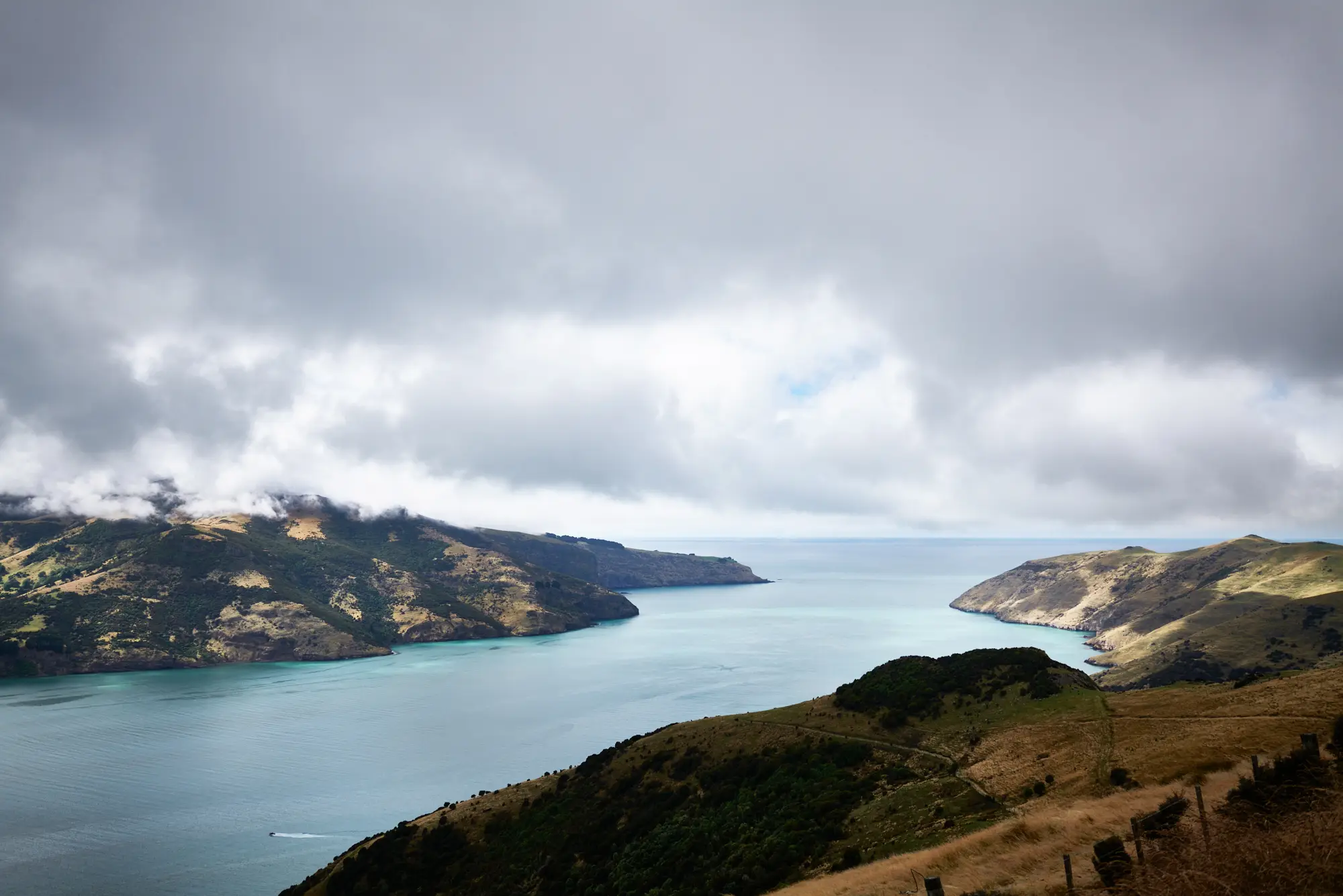
Akaroa King Salmon takes the long view in Singapore
Over the past 15 years, New Zealand's Akaroa King Salmon has made significant inroads into the Singapore market
But the small seafood producer sees more opportunity for growth in the Southeast Asian island-state and across the region.
“Singapore is one of our best markets because they appreciate high quality food and buy the top tier of our products,” says Akaroa Salmon's Chief Executive Stewart Hawthorn.
Stewart joined Akaroa King Salmon in early 2025, bringing two decades of experience from salmon-farming operations worldwide, including Canada’s Jail Island Salmon and Grieg Seafood, New Zealand’s King Salmon Company, and Scotland’s Loch Long Salmon.
High quality, fresh food products are a top selling point for New Zealand, and king salmon is no exception. Several New Zealand companies produce most of the world’s king salmon.
Nik Mavromatis, Akaroa King Salmon’s sales and marketing manager says the fish is challenging to farm.
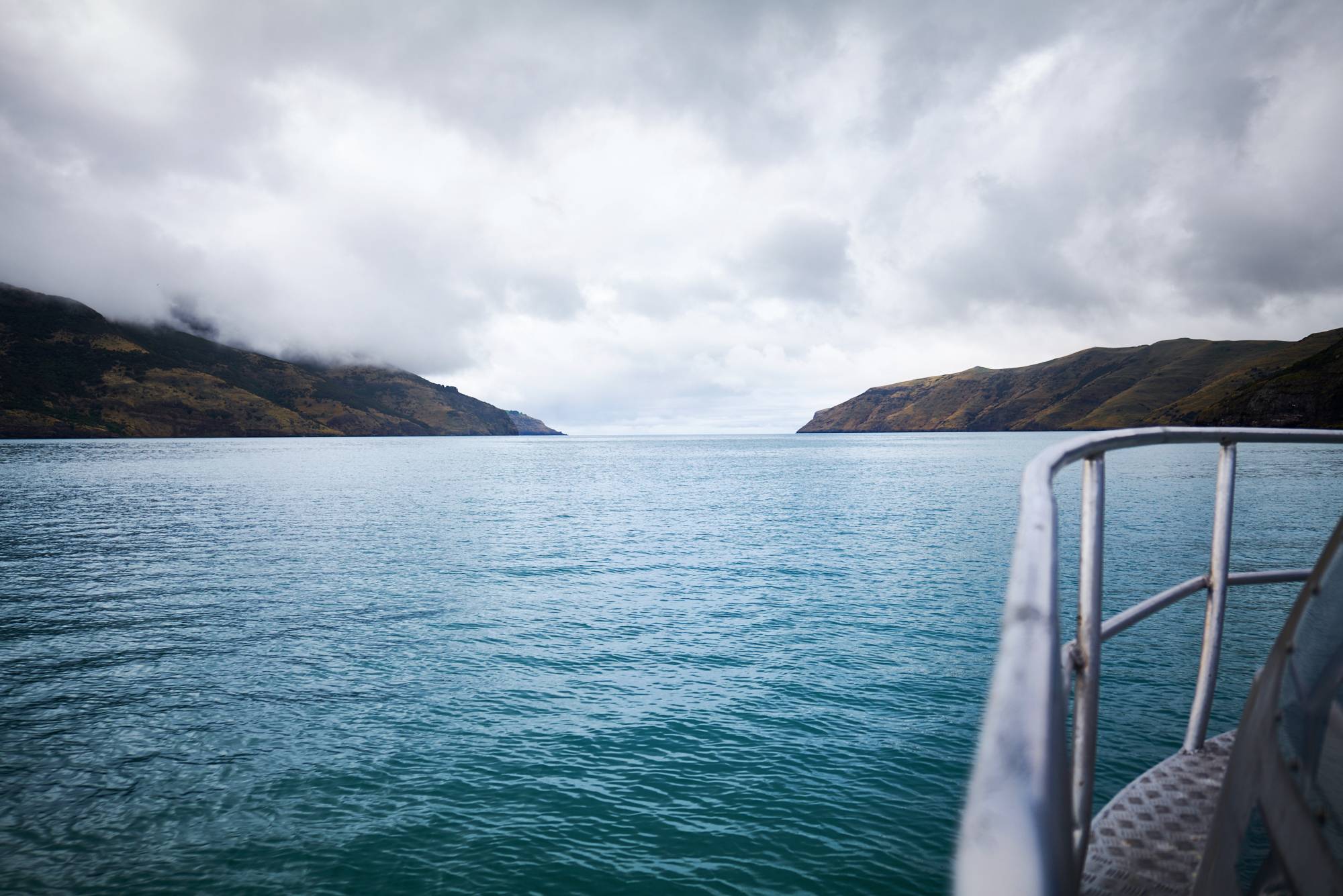
“It’s to New Zealand’s advantage that we have beautiful clean, cold water, which is what you need to produce premium seafood.”
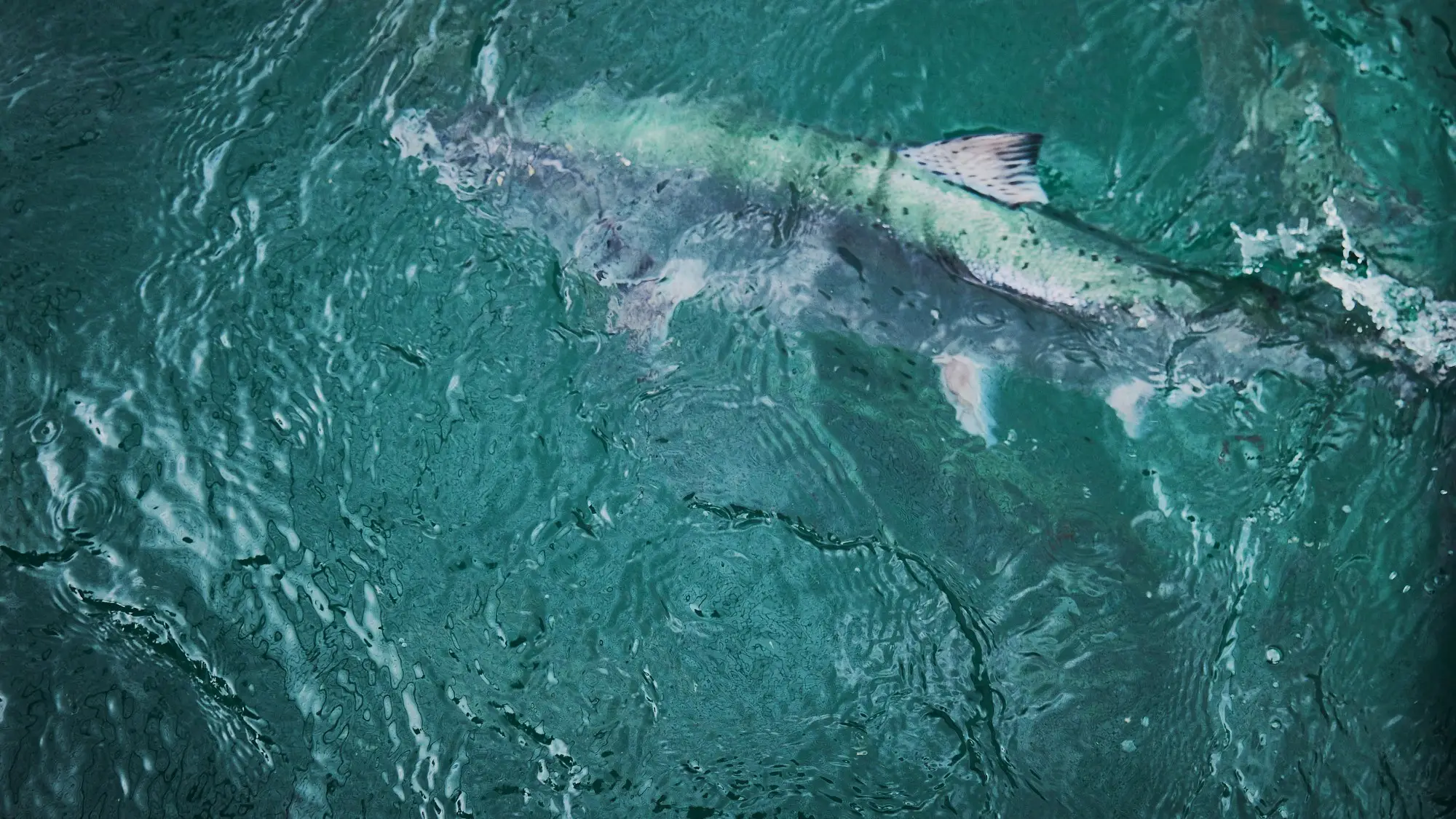
“It’s to New Zealand’s advantage that we have beautiful clean, cold water, which is what you need to produce premium seafood.”
Nik Mavromatis, sales and marketing manager
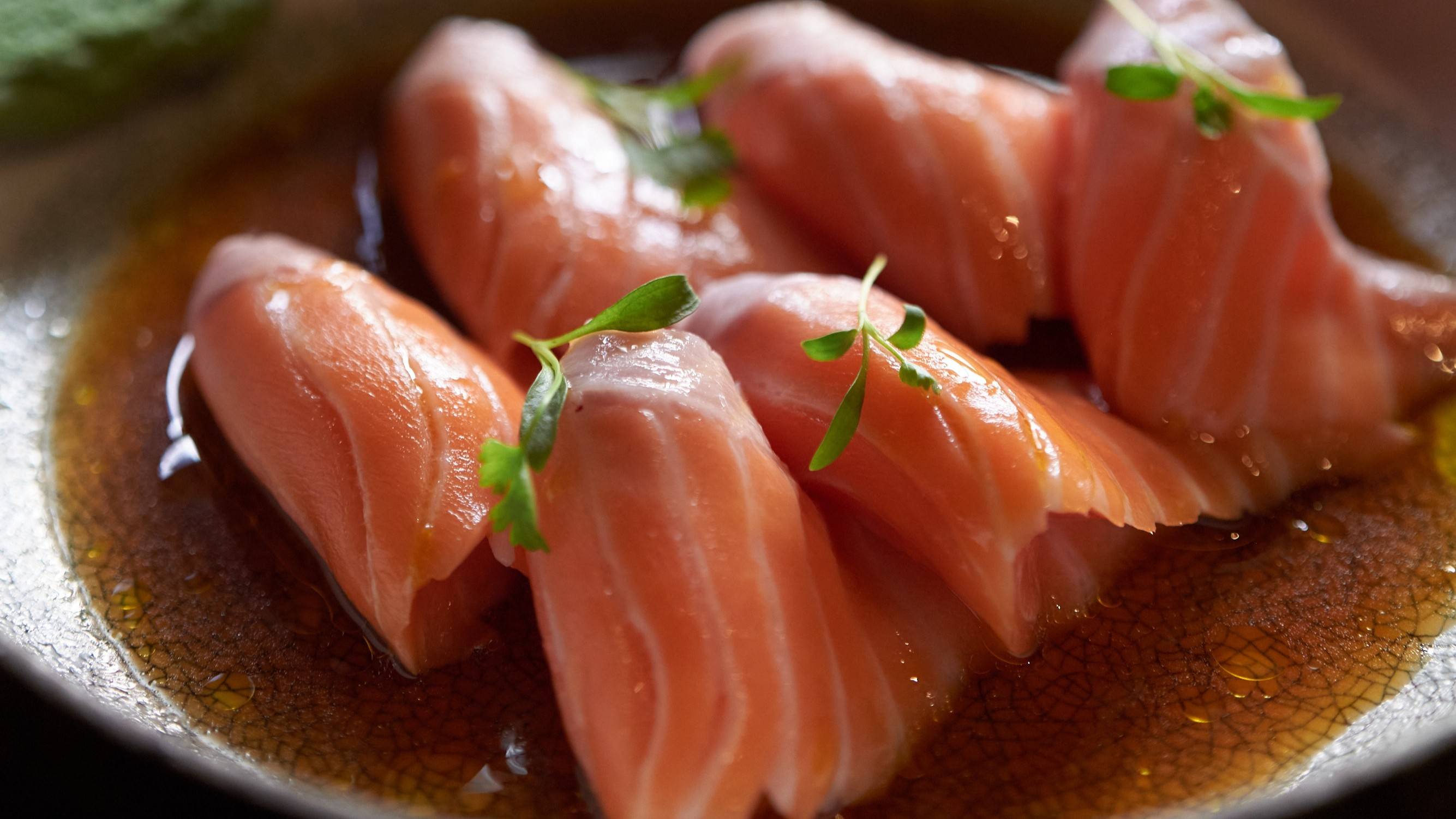
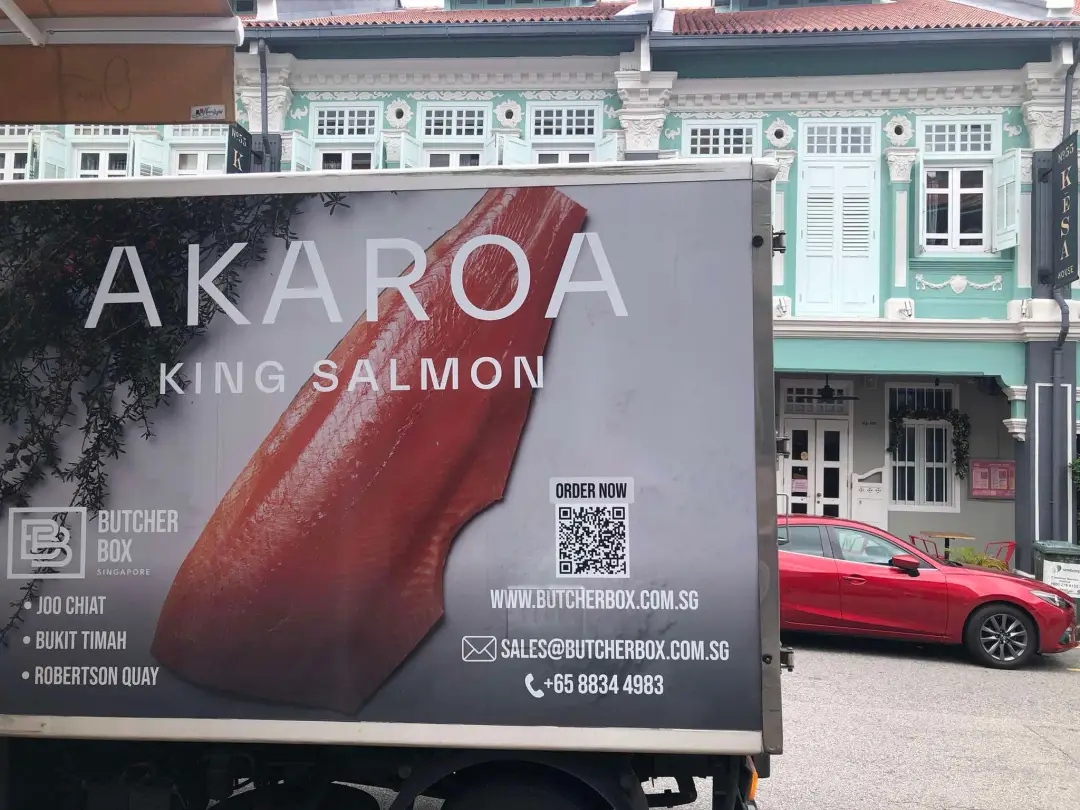
In Singapore, Akaroa King Salmon sells its product via food distributor Orca Marketing, which sells it on to supermarkets and food service operators. You’ll find Akaroa King Salmon in high-end hotels like Marina Bay Sands and premium retailers like Little Farms.
“We’re very well respected in Singapore,” says Stewart.
“Customers in Singapore really care about sustainable, high-quality seafood. They are very well educated in what good seafood looks like.”
“For Akaroa King Salmon, Singapore is a natural fit. Our values are aligned and Singaporeans really care about food.”
Founded by Tom Bates and his son Duncan Bates in 1985, Akaroa King Salmon employs 80 people, with roughly 50 percent of its market made up of exports. The salmon farm in the seaside, small South Island town of Akaroa produces more than 800 tonnes of king salmon a year.
For Akaroa King Salmon, the ability to expand into overseas markets is critical. The company is keen to build on its successes and Singapore is an attractive market.
“There is definitely room for growth in the Singapore market, particularly in food services,” says Stewart.
“Singapore is also a great launching pad for New Zealanders wanting to get into Asian markets.”
In December 2024, a delegation of Singaporean government officials and business leaders visited to better understand New Zealand’s strengths and capabilities in food science research, innovation and production.
The visit included stops in Auckland, Palmerston North, Wellington and Christchurch and meetings with leading New Zealand agrifood companies and institutes, including being hosted by Ōnuku Runanga, one of the partners in Akaroa King Salmon.
“The visit was very valuable because it allowed us to strengthen and broaden our Singapore connections, especially with the visit of Nanyang Polytechnic, who train the next generation of Singapore chefs,” says Nik.
“As a nation, we set high standards for ourselves and top chefs around the world appreciate this and seek out New Zealand products. We seem to naturally gravitate towards quality.”
Looking ahead, Chief Executive Stewart Hawthorn says what matters most to Akaroa King Salmon is not the short-term outcomes but the long-term partnerships.
“We want the next generation of Singaporeans to be able to enjoy the quality of our products.”
Akaroa King Salmon is one of several New Zealand companies producing king salmon. It is a 100% New Zealand owned partnership that includes Ngāti Porou, Ōnuku Rūnanga, and the founding Bates family.