
More Dairy for More People
How Dutch–New Zealand Innovation Is Expanding the Future of Dairy Nutrition
New Zealand brings world-class dairy science, deep nutritional expertise and some of the most advanced processing infrastructure on the planet. The Netherlands brings a thriving innovation ecosystem, world-leading biotech capability and a central position in the European food market. Put them together, and you get something neither could build alone. And with the EU–NZ Free Trade Agreement now in force, the conditions for that collaboration have never been better - making it easier for businesses to trade, invest and build partnerships across the two markets.
Feeding a growing world is one of the great challenges of our time. As populations rise and consumers become more discerning about what they eat, the question isn't just about producing more food. It's about producing better food and getting it to more people. For the dairy industry, that means finding ways to scale up nutrition without cutting corners on quality.
For decades, New Zealand and the Netherlands have each played leading roles in answering that question. New Zealand has built a global reputation for its high-quality dairy ingredients, built on an ideal natural environment, science and export know-how. The Netherlands, meanwhile, has become one of Europe's leading hubs for food innovation, biotechnology and advanced manufacturing. Together, these strengths combine to create new pathways to deliver dairy nutrition to a growing global population.
Few companies illustrate this collaboration better than Vivici, a Dutch–Kiwi venture founded in 2023 by New Zealand’s Fonterra and the Swiss-Dutch multinational dsm-firmenich. The story of Vivici is a compelling one. It also reflects something larger: a long-standing partnership between two innovation-driven nations, with complementary capabilities, that are helping shape the future of food.
“The Netherlands is one of New Zealand's top EU partners for investment and innovation. Companies like Vivici show exactly what this relationship can produce when the best of Dutch biotechnology meets the best of New Zealand dairy science.”
- New Zealand Embassy in the Hague
From Heerenveen to global nutrition
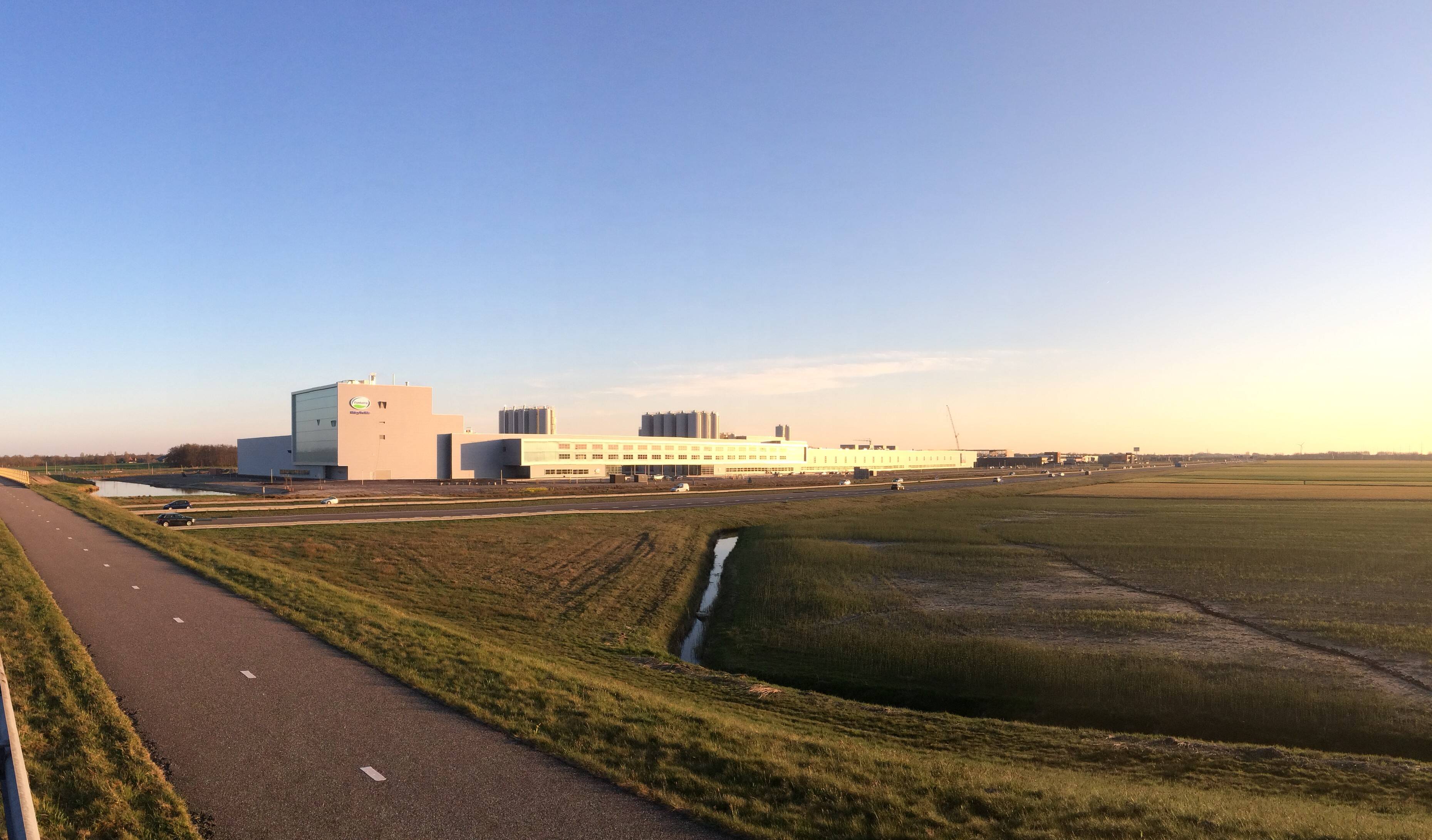
One of the clearest examples of this partnership is found in Heerenveen, in the north of the Netherlands. Since 2015, Fonterra and Royal A-ware have operated side by side on the same production site. Royal A-ware brings its cheese-making expertise, Dutch dairy supply chains and proximity to the European market. Fonterra brings New Zealand’s deep knowledge of dairy ingredients, protein science and global nutrition markets.
The logic of the collaboration is simple, but powerful. Cheese production creates whey and cream streams. In the right hands, these become much more than by-products. They become the basis for high-value dairy ingredients used in sports, paediatric and medical nutrition, as well as specialised food applications.
For Fonterra, the Heerenveen partnership creates access to European dairy streams that can be transformed into ingredients for global markets. For Royal A-ware, the collaboration strengthens the value of its cheese production and connects Dutch dairy manufacturing to New Zealand’s ingredients expertise. It is a practical example of complementarity: two dairy countries using different strengths to create more value from the same chain.
This established collaboration matters because it shows that Dutch-New Zealand dairy innovation is not only about what might happen in the future. It is already built into the infrastructure of European dairy production. The factory, the supply chain and the expertise are already there.
The fermentation is the cow
If Heerenveen shows what Dutch-New Zealand dairy collaboration can do at industrial scale, Vivici shows where the next chapter may lead.
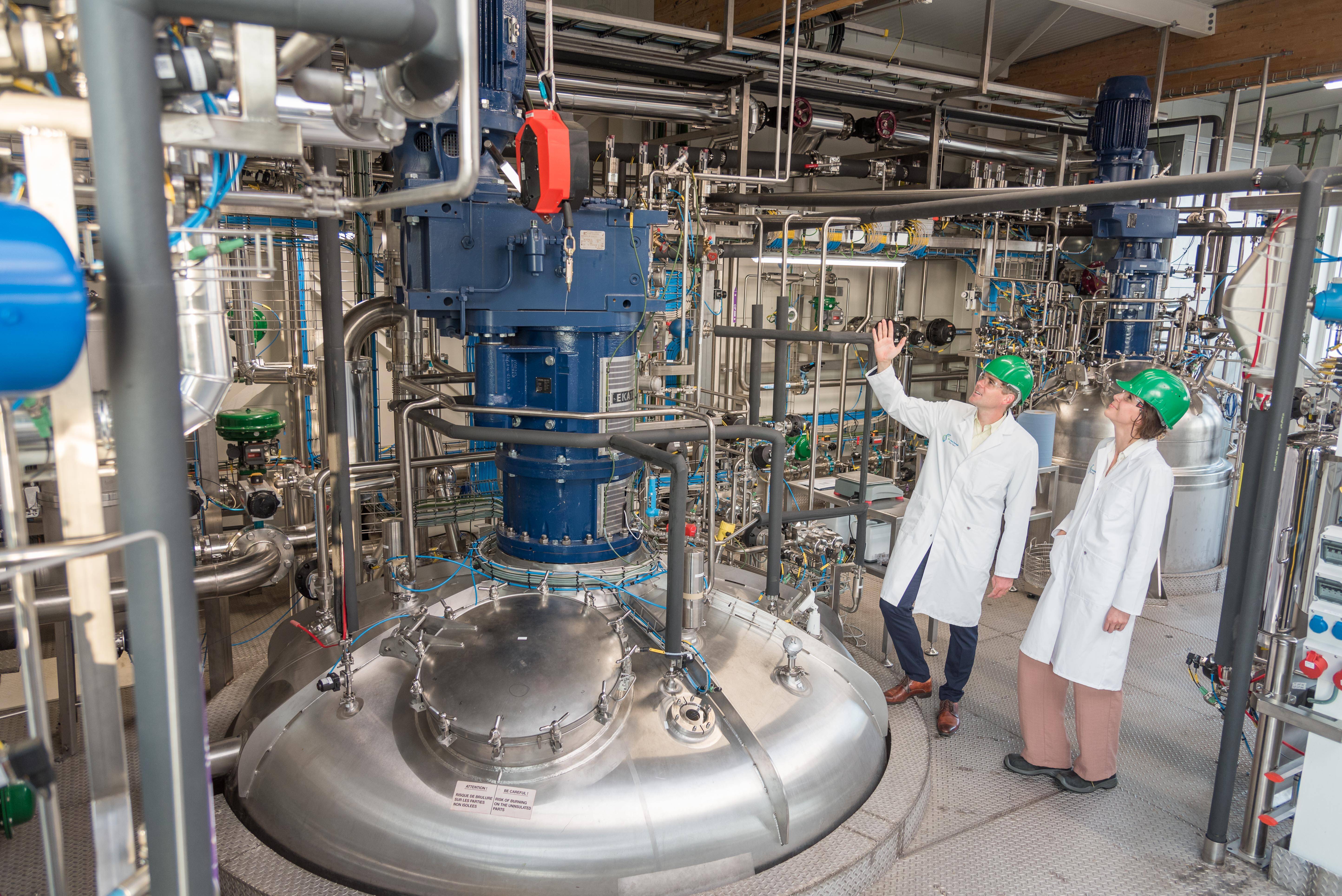
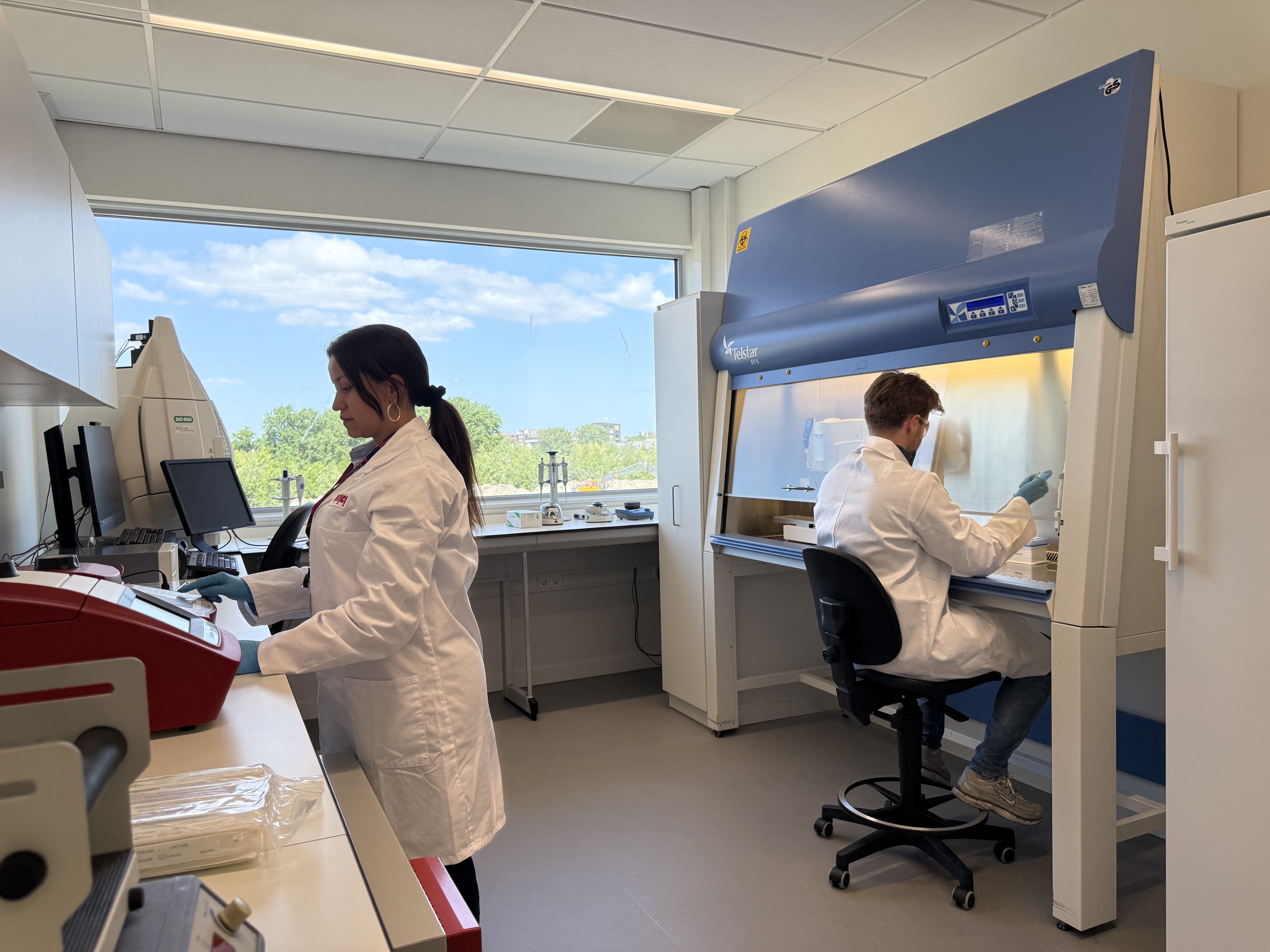
In a facility near Leiden, yeast is doing something it has always done: fermenting. What's changed is what comes out. Programmed with precision, it produces beta-lactoglobulin, the primary protein in whey.
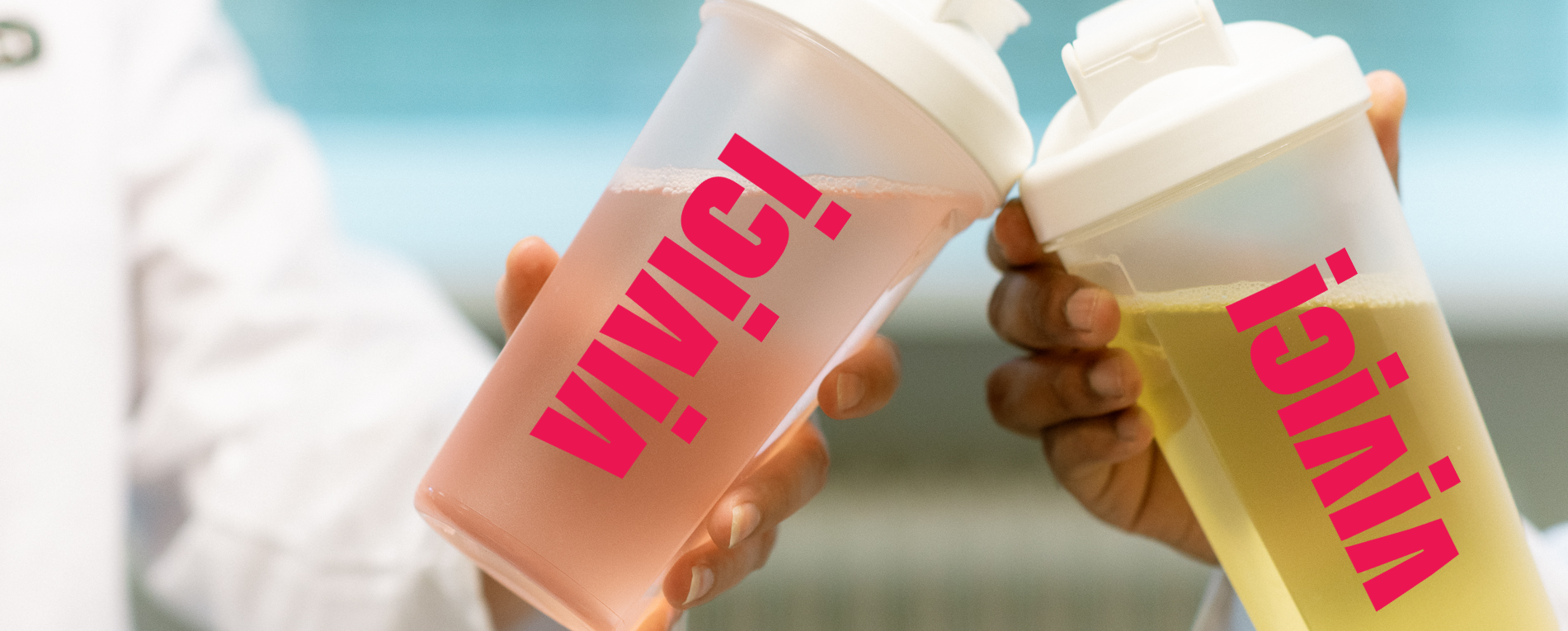
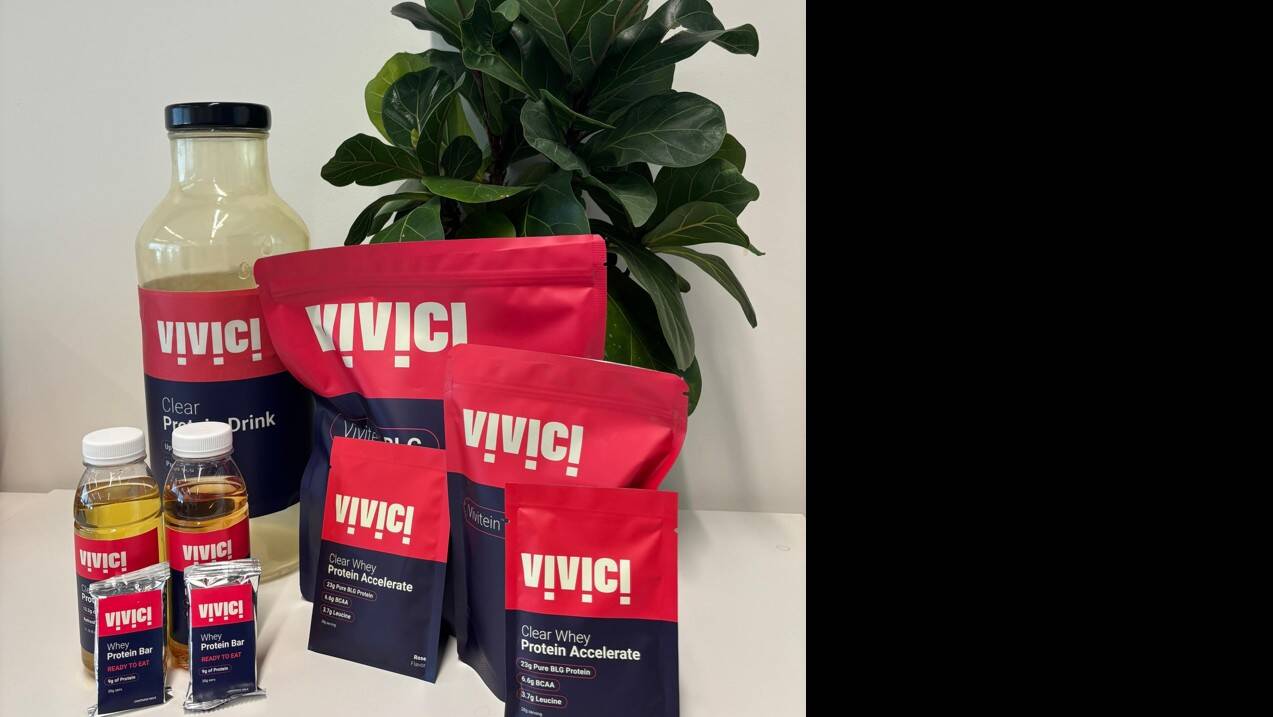
This is Vivici. The company was founded on a straightforward conviction: dairy is among the most nutritious foods on the planet, and traditional farming alone won't be able to meet the world's growing demand for the protein it contains. Precision fermentation offers a way to bridge that gap, not by replacing conventional dairy, but by complementing it.
Simon Penfold, Vivici's Chief Commercial Officer and one of its founding team, has a gift for making the science accessible. He breaks it down into two steps. First, fermentation: the biological engine. Give yeast the right environment, the right feed, the right temperature, the right conditions, and it will produce the dairy protein you're after, inside a fermentation vessel. Second, purification: what Penfold calls the downstream processing, or essentially a milk factory. The fermentation broth goes in, and a dry protein powder comes out, indistinguishable in quality or application from what leaves a Fonterra freeze-drying plant. The same result for the food brand on the other end.
“We've never looked at replacing dairy proteins. We want to make dairy protein more accessible to people by complementing what is already coming out of an amazingly brilliant industry. How do we bring complementary goodness to the world, not competitive goodness?”
- Simon Penfold, Chief Commercial Officer, Vivici
Born from a Kiwi-Dutch collaboration
The story goes back further than 2023. In 2019, Fonterra and what was then DSM began a joint research partnership to explore whether precision fermentation could produce dairy proteins in a commercially viable way. It's perhaps fitting that a Dutch and a New Zealand company would find each other: Dutch explorer Abel Tasman was the first European to sight New Zealand in 1642, and the two countries have been finding reasons to work together ever since. To this day more than 150,000 New Zealanders still claim Dutch heritage.
DSM brought decades of fermentation science and biotech capability. Fonterra brought deep knowledge of dairy protein, how it behaves, how it's processed, and what food manufacturers actually need from it. Together they built something that most startups would take years to build.
From Fonterra's side, that complementary framing holds. Companies like Vivici, looking into precision fermentation, are complementary to the dairy industry. They can develop specialised, harder or more costly to produce ingredients. For example, it can be complex and expensive to isolate high-value ingredients like lactoferrin from milk. Precision fermentation offers an additional way to produce these ingredients efficiently and at scale.
In that sense, Vivici is not a break from the existing dairy industry. It is an extension of it. The same expertise that allows companies to process whey into high-value ingredients can also help make precision-fermented dairy proteins commercially useful. The same relationship that works in Heerenveen at industrial scale can also work in Leiden at the frontier of biotechnology.
Why the Netherlands
Vivici is headquartered in Oegstgeest, tucked into the Leiden life sciences cluster and a short drive from Wageningen's Food Valley. The location is no accident. Europe is the world's largest dairy market. The region's food science and biotechnology talent pool is exceptional. And the Dutch grants and funding landscape offers innovation companies a genuine competitive edge.
The Dutch National Protein Strategy, a government commitment to increasing food security and protein self-sufficiency by shifting the balance between animal and alternative protein sources, aligns directly with what Vivici does. Getting novel food ingredients approved through European regulatory channels takes time, but Penfold sees that as a reason to get a head start, not a reason to wait.
The Netherlands also offers something broader than a good location for one company. It offers an ecosystem where established food producers, biotech firms, research institutions and public agencies are already thinking about the future of protein. For a New Zealand dairy company looking to connect global ingredients expertise with European innovation, that makes the Netherlands a natural partner. With the NZ–EU FTA now in force, that partnership also sits within a clearer and more predictable trading framework, helping businesses on both sides explore new opportunities and plan for the long term.
It's a rationale Fonterra itself echoes at a company level. "It's the port, it's being open for business," says Maarten van den Poll, managing director of Fonterra's operations in Amsterdam and Heerenveen. "We speak English, we have Schiphol around the corner, and we have a big dairy sector. All of those factors combined make it a great place to run our operations in Europe."
“The Netherlands has a strong protein strategy and a well-developed ecosystem for food and biotech innovation. The grant and funding environment here is a genuine competitive advantage for companies developing the next generation of food ingredients.”
- RVO Netherlands Enterprise Agency
Looking ahead
The future of food won't be written by any single technology or company or country. It'll be the product of collaboration: between researchers and entrepreneurs, between established industries and emerging ones, and between nations that each bring something the other does not.
That's what the New Zealand–Netherlands partnership looks like at its best. The NZ–EU FTA strengthens the foundations for this kind of collaboration by making it easier for businesses to trade and invest across borders. It provides greater certainty around market access, clearer and more predictable trading rules, and mechanisms to address trade issues as they arise. For businesses considering new products, partnerships or investment, that certainty matters: it reduces some of the costs and risks of entering a new market and gives companies greater confidence to plan and grow over the longer term.
While the NZ-EU FTA hasn't changed Vivici's day-to-day operations yet, Penfold is candid about what the broader horizon looks like: “When you're thinking about where you want to invest a lot of money and operationally set up manufacturing facilities, free trade agreements do come into play.”
Vivici is one example. But across dairy, horticulture, logistics, aerospace and beyond, Dutch and New Zealand businesses are finding new ways to work together, and the results are worth watching.
To find out more about the EU-NZ Free Trade Agreement, including understanding the benefits to business, go to New Zealand-European Union Free Trade Agreement.
Have questions about exporting to offshore markets? New Zealand’s Export Helpdesk has a dedicated team to assist with any export issues. Have your questions answered by filling out a simple form, emailing exports@mfat.govt.nz, or phone 0800 824 605. Find out more.
Photo: Fonterra milk powder factory in Heerenveen, The Netherlands by Lars Curfs via WikiMedia Commons (Creative Commons Attribution-Share Alike 3.0 Netherlands (https://commons.wikimedia.org/wiki/File:Fonterra_milk_powder_factory_in_Heerenveen,_The_Netherlands.jpg))