

Harnessing the power of AI to help us age better
Dr Hamish Jamieson is putting 20 years’ experience as a geriatrician and a decade of big data learning into a $4 million New Zealand–Singapore project aimed at improving the lives of older people.
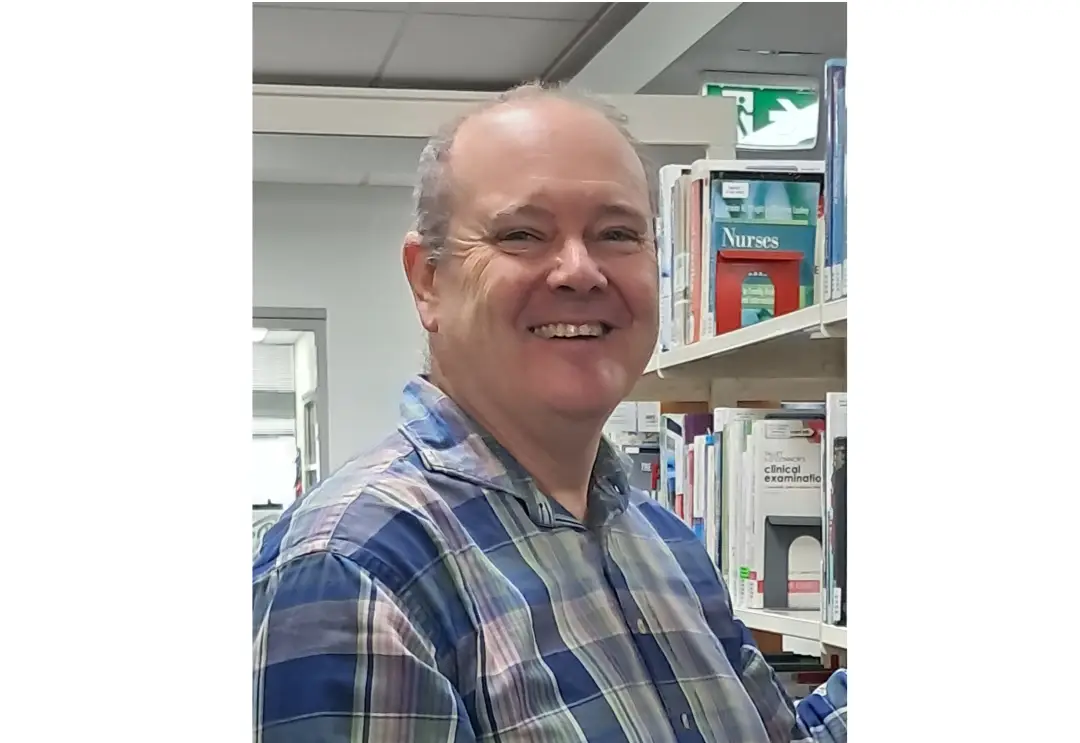
An associate professor at the University of Otago, Hamish is leading the project, which explores how emerging AI capabilities might help the health sector improve the wellbeing and independence of older people as they age.
“A better understanding of our ageing population means health officials can plan more effectively on how they address care for older people,” Hamish says.
Associate Professor Bing Tian Dai, the project’s Singapore-based collaborator, says the partnership is an opportunity to ensure AI is used in ways that genuinely support clinicians.
“Our aim is to explore how AI can enhance clinical practice in a responsible and meaningful way. If we can provide clearer insights and reduce administrative workload, clinicians will have more time to focus on patient care.”
New Zealand and Singapore are partnering on this work through a bilateral initiative funded by the New Zealand Ministry of Business, Innovation and Employment’s Catalyst Fund, and supported in Singapore through Singapore AI, a national programme focused on advancing artificial intelligence research and innovation.
“A better understanding of our ageing population means health officials can plan more effectively on how they address care for older people.”
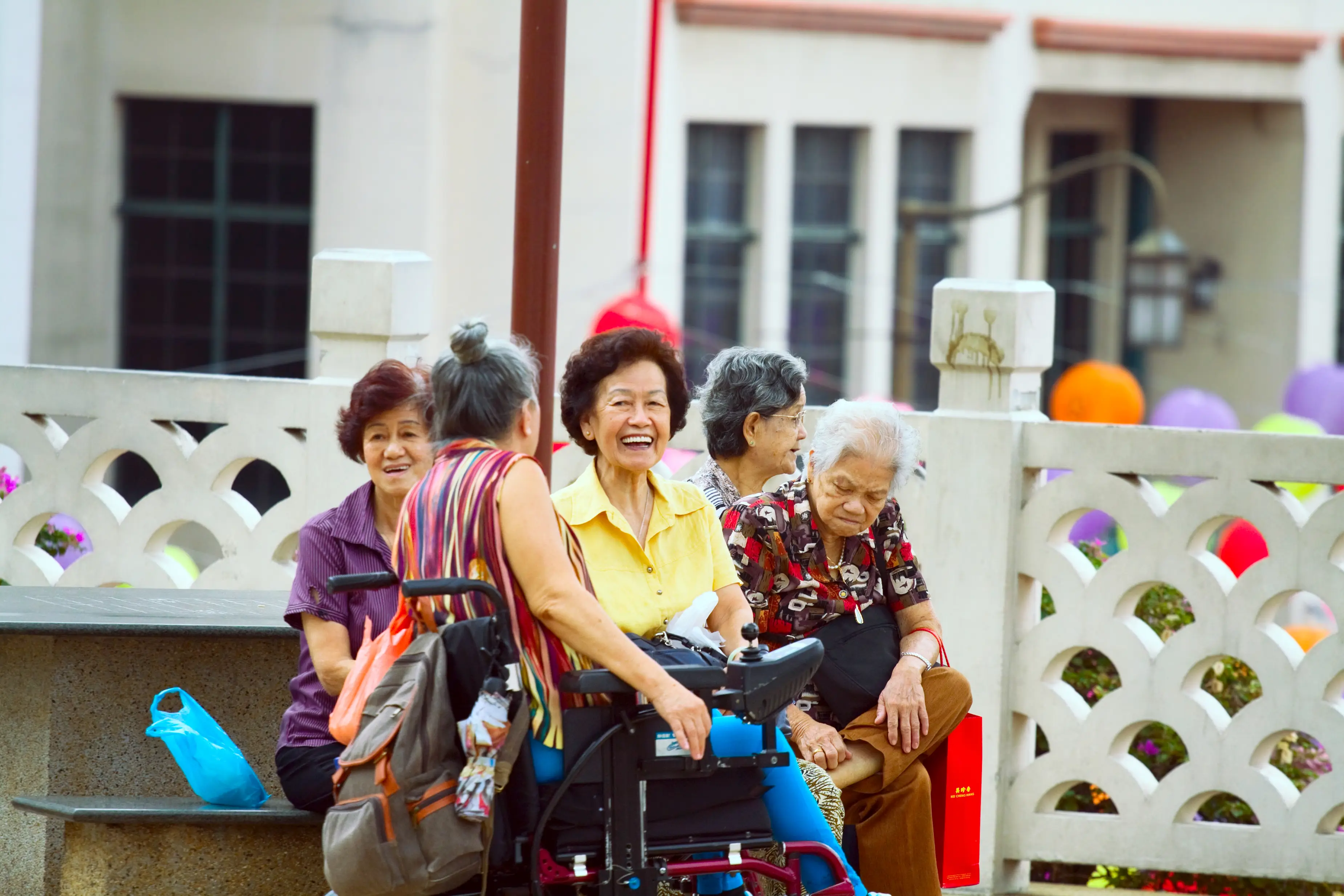
Both New Zealand and Singapore face rapidly ageing populations — Singapore is expected to reach super‑aged status in 2026, and New Zealand in the early 2030s*. This demographic shift is bringing rising rates of age‑related conditions such as dementia, depression and cardiovascular disease, placing increasing pressure on health systems already experiencing workforce shortages.
Begun in August 2025, the three‑year project uses securely de-identified data from half a million New Zealanders aged 65 and over**.
New Zealand currently undertakes about 100,000 mandated, standardised assessments of older people every year – many of whom are living with health conditions such as malnutrition, memory loss and pain – to improve their outcomes and quality of life.
The project’s intention is to build on the established interRAI assessment – an evidence‑based clinical assessment tool for vulnerable, older or medically complex people – and explore how AI might help make it faster and more insightful.
Hamish says interRAI has already proven useful in helping us understand and support older people.
“If we are successful, enhancing it could offer deeper insights into the future needs of individuals and support clearer communication across the system.”
“We often focus on the negatives of technology, but it gives us a lot of opportunities to make things better. Advances in medical technology over the last century have saved many lives. Technology allows us to see more and do better.”
The tool itself has a long history. interRAI began in the United States in the 1980s and has since been further developed by an international charitable network of clinicians. It has been mandated in New Zealand for aged community care since 2012 and for aged residential care since 2015, and Singapore adopted it late in 2024.
Hamish says Singapore was interested in partnering with New Zealand because of its long experience with interRAI.
“There is also mutual benefit in sharing our AI and technology skills.”
Hamish’s interest in ageing goes back decades. He has been a doctor for more than 20 years, and while at university in Sydney he completed a PhD in the ageing process.
“I had good mentors in ageing at university. They were well balanced and holistic people who understood the value of this work. The older population is often undervalued despite the fact they contribute a lot to society.”
“I also always liked looking after my grandparents. There is a lot that older people can teach the younger generations.”
The project also enjoys close relationships with key agencies, including Health NZ and Singapore’s Kwong Wai Shiu Hospital – organisations that play a central role in how assessment tools are used in practice and how insights flow into care planning.
*A super-aged society is a demographic classification used by the United Nations to describe a country or region where 20% or more of the population is aged 65 and older.
**De-identified data removes information to allow data to be used without the possibility of individuals being identified.
New Zealand and Singapore signed a Comprehensive Strategic Partnership in October 2025 to celebrate 60 years of diplomatic relations. It is boosting collaboration in six vital areas — trade, defence, climate, supply chains and people links.