
New Zealand & Singapore explore commercial avenues for hybrid meat
Kiwi and Singaporean researchers partnering on a project to produce hybrid meat from a combination of plant-based ingredients and cultured animal cells are exploring the next stage — commercialisation.
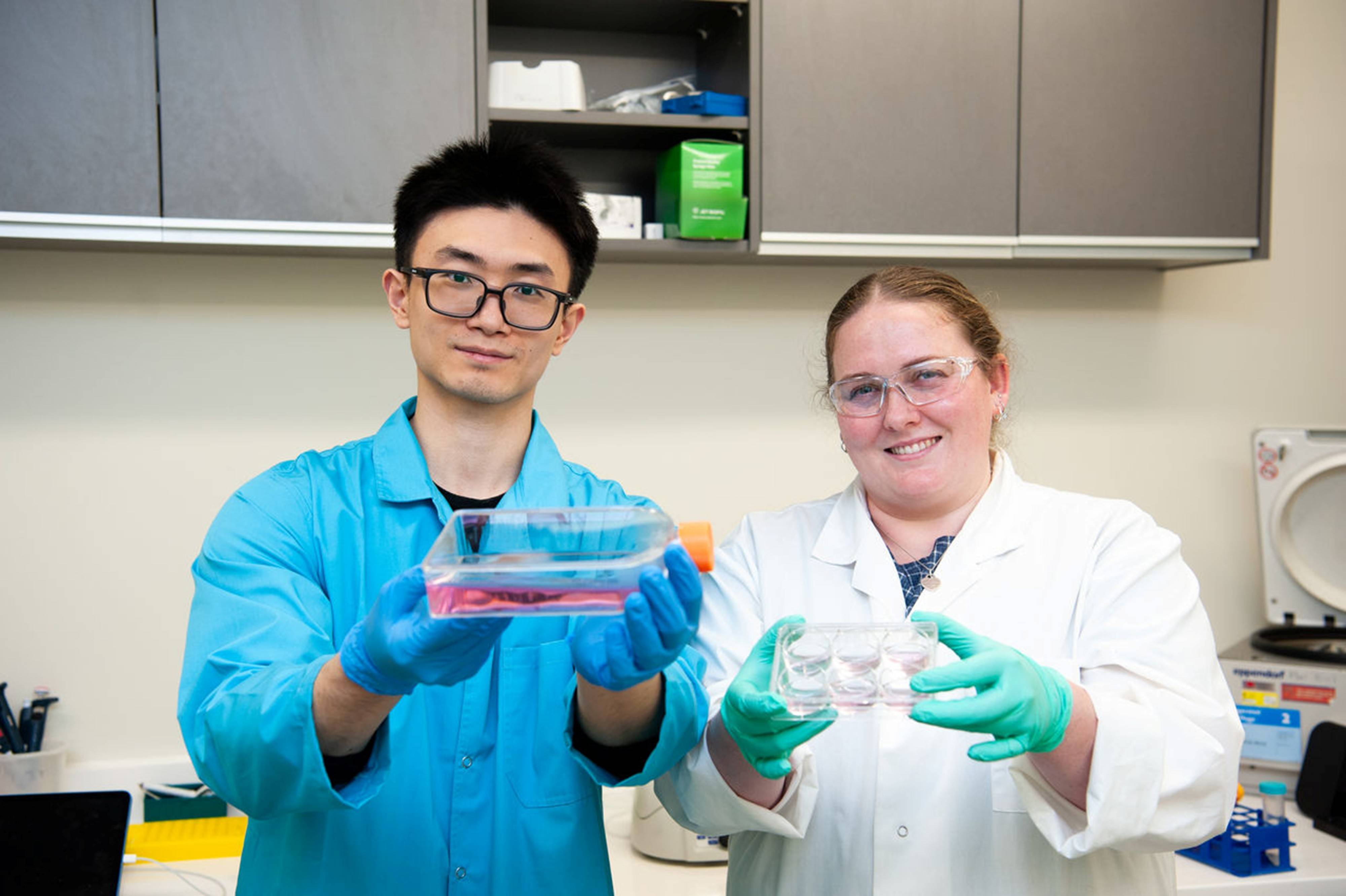
Professor Hanry Yu of the National University of Singapore says it’s been enlightening to work with the New Zealand team.
“My students and I are inspired by their passion and pure joy in integrating basic research with translational applications, as well as their consciousness about living in harmony with nature.”
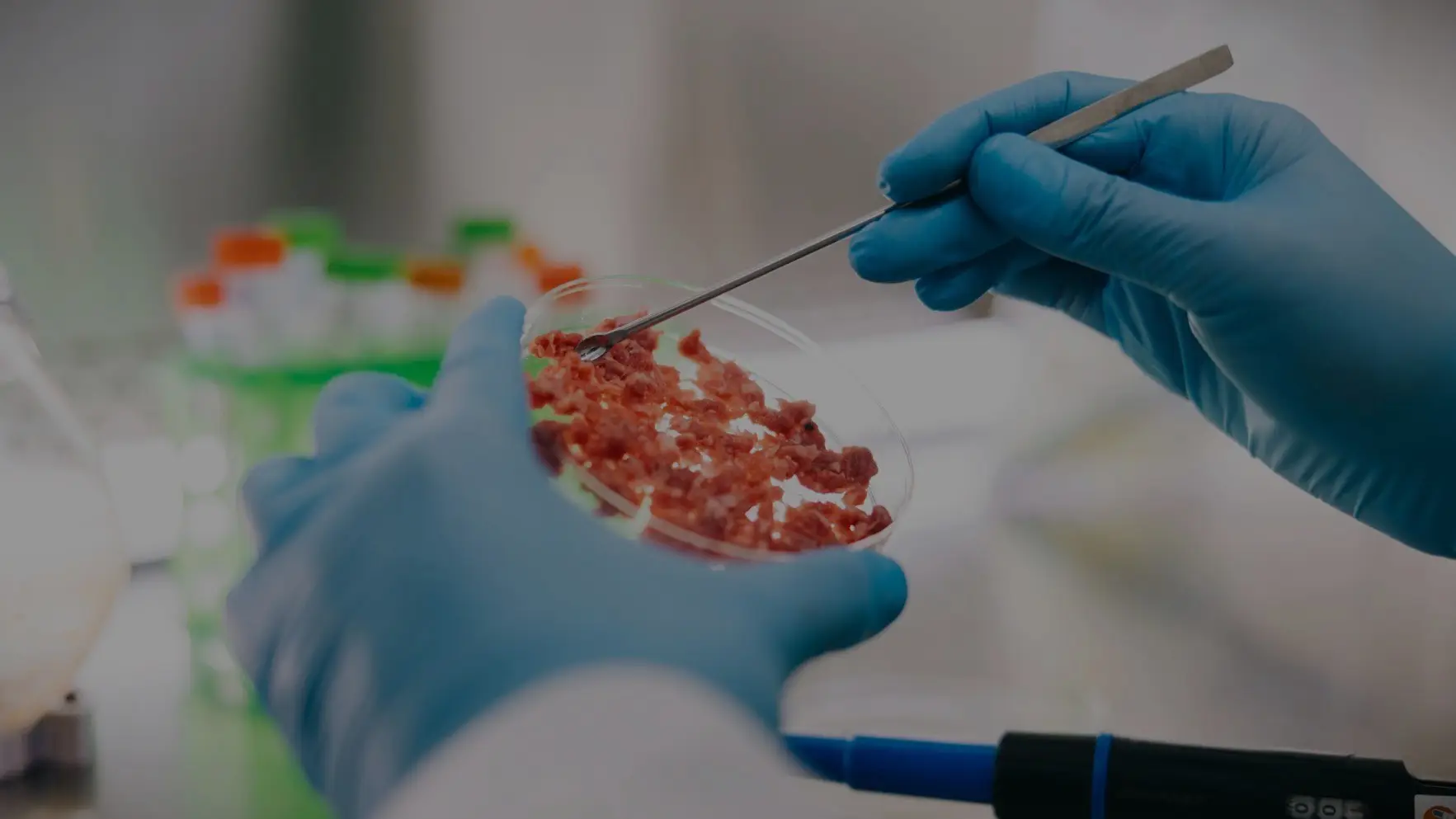
Hybrid foods are made by blending cultured animal cells and plant-based ingredients to make food products that are similar to the 100 percent animal-based ones. Single cells taken from beef and pork, when prompted, will turn into muscle fibres. These are mixed with plant proteins that aid the growth of the cells and provide additional nutritional value.
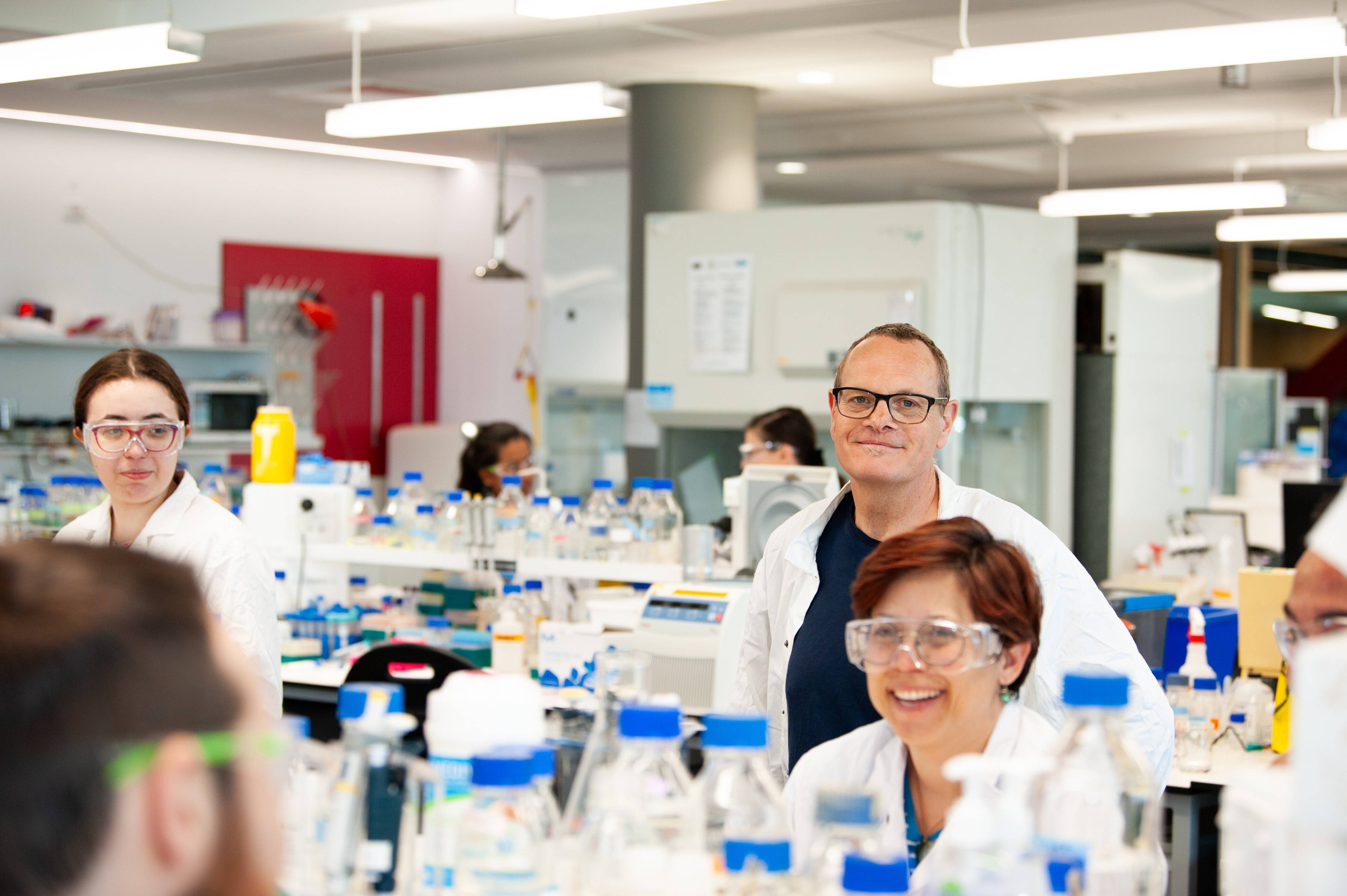
University of Canterbury (UC) Faculty of Science Professor Renwick Dobson is co-leading the project alongside Professor Yu.
“The aim is to develop and sell the cell-based ingredients for hybrid meat.”
“Our programme is tackling the biggest barrier in cultured meat — cost.”
The work also involves researchers from the University of Auckland, Massey University, and the Bioeconomy Science Institute (formally Plant & Food Research, AgResearch, Manaaki Whenua – Landcare Research and Scion).
Some companies like Australia’s food technology startup Vow are already selling cultivated meat products. But it remains a new and under-developed market.
“These products aren’t yet competitive with traditional meat, but that gap is closing fast. We’re exploring multiple products that improve both the scalability of cultured meat products and their nutritional value, while retaining the taste, which is a key consumer driver,” Renwick says.
“This is a new technology and there are complex legal and regulatory aspects to work through, but the appetite for commercialisation is certainly there, both in the New Zealand team and among our Singaporean colleagues.”
“This is a new technology and there are complex legal and regulatory aspects to work through, but the appetite for commercialisation is certainly there.”
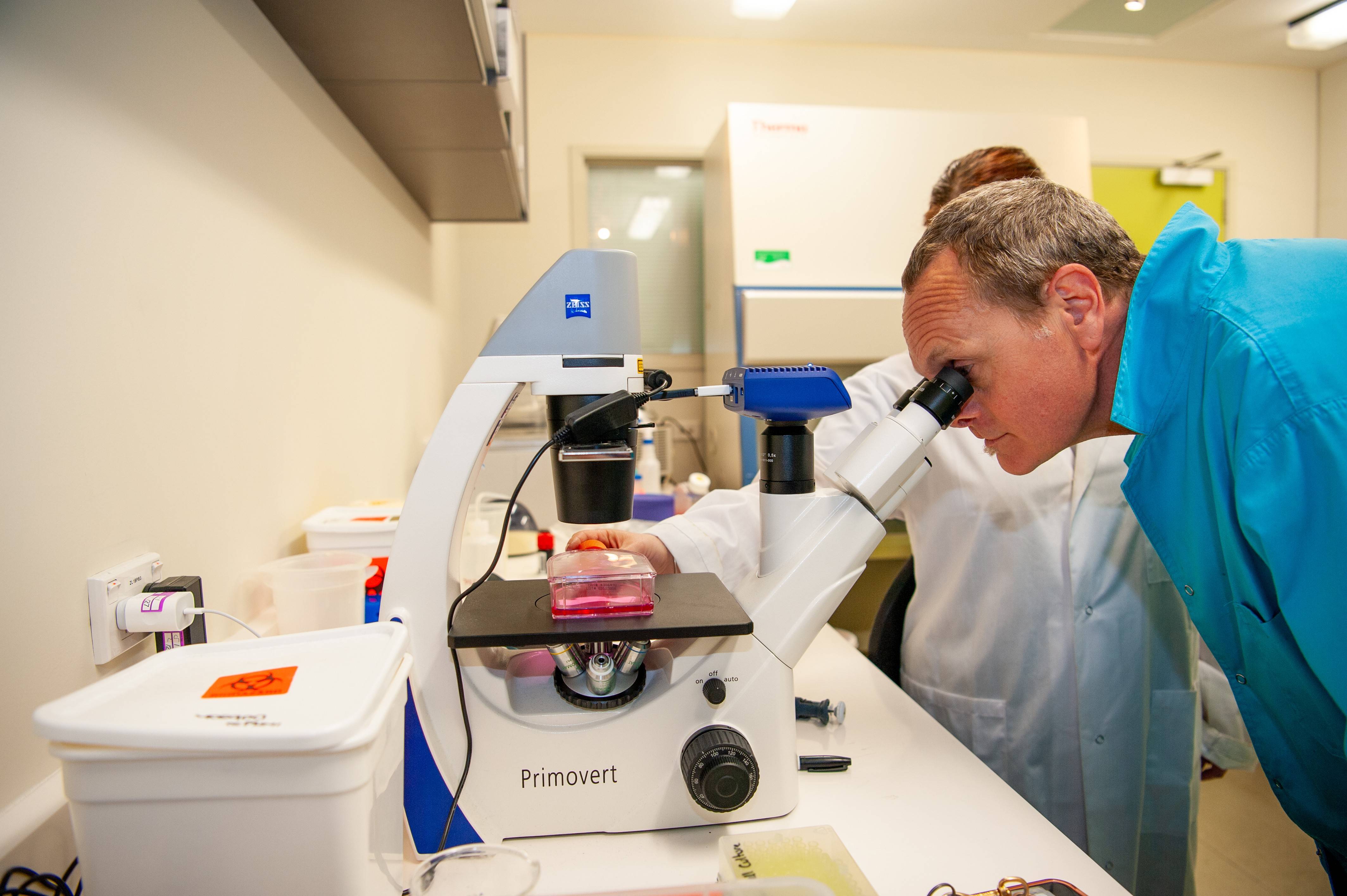
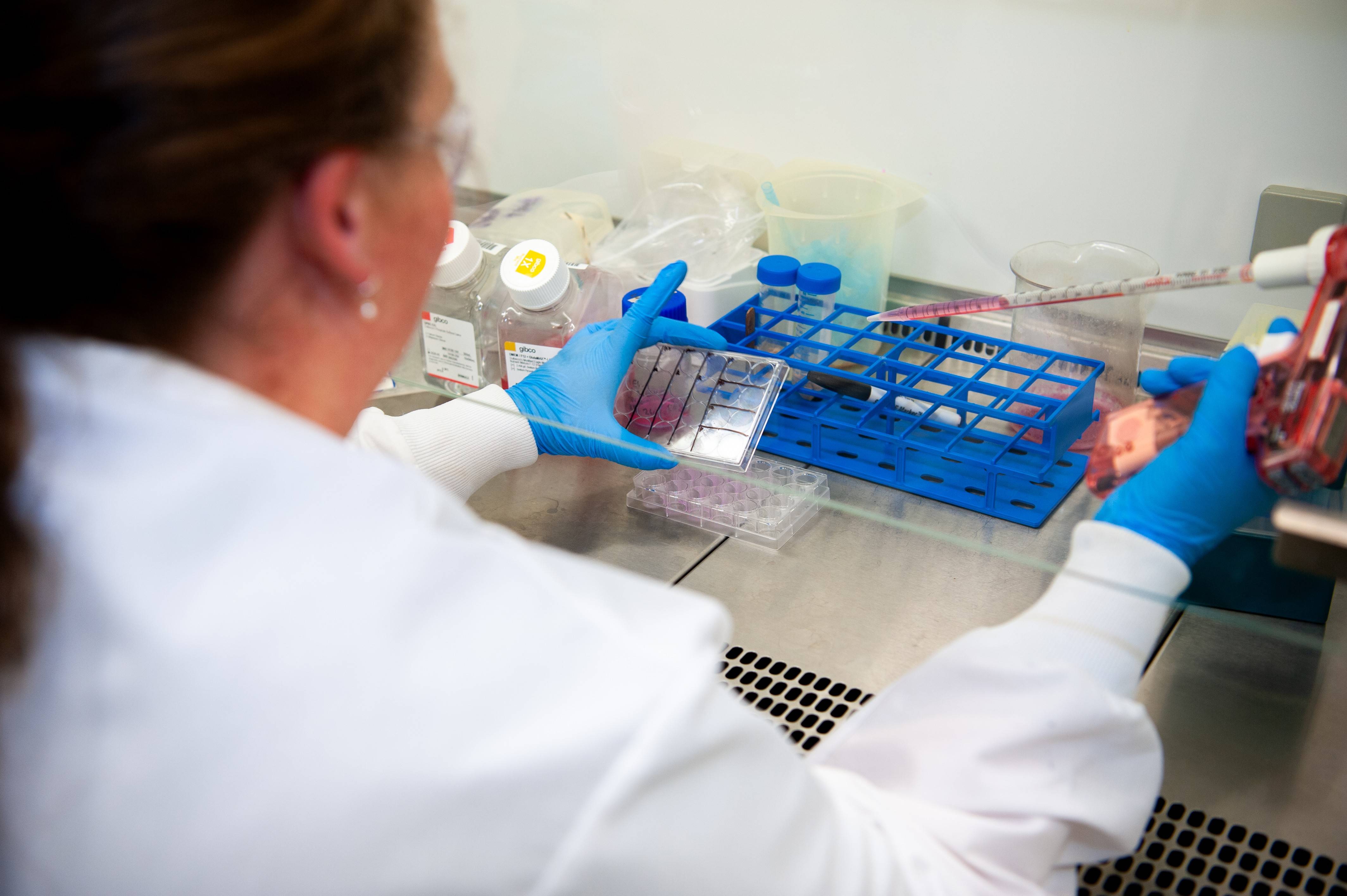
The project is part two of a partnership that began in 2019. The first funding round focused on exploring and understanding the interactions between cultured livestock cells and plant proteins to improve the nutritional quality, flavour, functionality, and consumer appeal of alternative protein products.
In 2025, the research received a further NZD$3 million from New Zealand’s Ministry of Business, Innovation and Employment (MBIE), and SGD$1.25 million from Agency for Science, Technology and Research (A*STAR). This second round of funding is focused on overcoming key barriers in scalability, flavour and cost.
Renwick, who came to the University of Canterbury in 2010, has come a long way from his early days as a “pretty mediocre” student at school.
“I had a non-traditional pathway. I only went to university because my friends did.”
At university, he chose chemistry and biochemistry. It was in his Master of Science fourth year that he discovered how much he liked lab work. The ability to conduct his own research also appealed to him.
“Once I was able to think about science on my own terms, I was hooked.”
He says the NZ-Singapore partnership has been mutually beneficial, with each side bringing something to the table.
“The Singapore researchers bring cell biology and material science while we offer a more molecular angle to the problem.”
“Our perspectives are different. Broadly speaking, New Zealand has a very rich history in food science built through many decades. We’re leveraging that expertise. And for Singapore, food security is a focus area.
“The technology we’re developing is attractive to Singapore because you don’t need land to produce the cultivated food products.”
When it comes to trying to market the product, Singapore is in the driver’s seat.
“In Singapore, there is a culture of commercialising science that is just starting to build in New Zealand, and we are learning from their leadership.”
While it’s early days in terms of commercialisation, the partnership has already reaped benefits through the creation of two deep-tech start-ups: Opo Bio Aotearoa in New Zealand (2022), and Ants Innovate in Singapore (2020).
“As the global population increases, the ability to provide high protein food will become more limited. These new, hybrid foods are a way to address that and are very good from an environmental perspective.”